

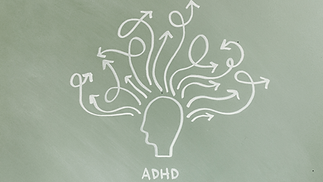
What Is ADHD? Understanding the Brain Behind the Symptoms
Attention-Deficit/Hyperactivity Disorder (ADHD) is a neurodevelopmental condition that affects attention, organization, impulse control, and, for some people, hyperactivity.
In adults, ADHD often looks different than it does in childhood. Many adults struggle more with focus, time management, organization, impulsivity, and emotional regulation than with constant hyperactivity.
Not everyone with ADHD is hyperactive. There are three recognized presentations:
-
Predominantly Inattentive Presentation (formerly called ADD)
-
Predominantly Hyperactive-Impulsive Presentation
-
Combined Presentation (both inattentive and hyperactive-impulsive symptoms)
For first responders, ADHD can be especially challenging because they may thrive during high-pressure emergencies while finding routine tasks—such as paperwork, scheduling, or transitioning home after a shift—more difficult.
Symptoms vary from person to person and may include:


